A Comprehensive Guide to Understanding Vehicle Window Color and Its Benefits
Car window tinting offers greater than simply a visual purpose for cars. It supplies various kinds, each with unique features and advantages. Comprehending these choices, along with legal policies and upkeep suggestions, is essential for any vehicle owner. The advantages might substantially boost driving comfort and vehicle longevity. As one checks out the nuances of window tinting, the question occurs: what kind of tint is finest suited for private needs?
Understanding Car Home Window Color: What It Is and Exactly how It Works
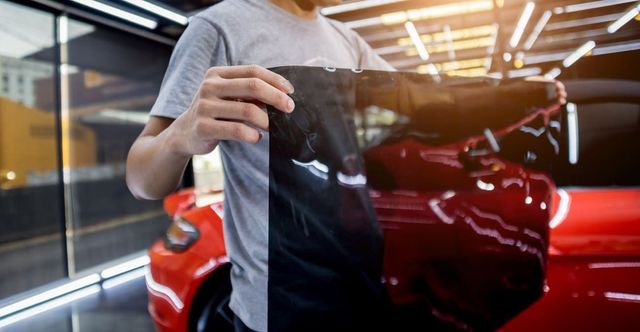
Automobile window color acts as a protective obstacle that boosts automobile visual appeals while giving practical advantages. This slim film is related to the interior surface area of automobile home windows, decreasing glow and blocking dangerous ultraviolet (UV) rays from the sun. By filtering system sunshine, vehicle home window tint aids to regulate the indoor temperature level of the automobile, bring about increased comfort for travelers and reduced dependence on air conditioning.Additionally, it shields the vehicle's interior from fading, maintaining both upholstery and dashboard materials. The color can additionally boost personal privacy, making it much more difficult for outsiders to see inside the automobile. Particular kinds of window tint can increase safety; in the occasion of a mishap, the film aids hold destroyed glass together, decreasing the risk of injury from flying fragments. Generally, auto home window color offers both functional and aesthetic purposes, making it a popular choice amongst car owners.
Sorts Of Window Color: An Introduction of Options
When taking into consideration home window tint choices, a number of kinds are readily available, each with distinct attributes. Colored, metalized, and ceramic window tints offer differing levels of warm denial, UV protection, and visual allure. Recognizing these distinctions can help vehicle owners make informed selections based on their choices and needs.
Colored Home Window Tint
Colored window tint stands for a popular selection amongst cars and truck owners looking for a reliable and cost effective way to improve their vehicle's aesthetics and privacy. This sort of color is created by putting a layer of dye in between a glue layer and a safety finish, resulting in a dark appearance that minimizes glow and improves aesthetic convenience. While dyed window color efficiently obstructs harmful UV rays, it may not use the same degree of warm denial as other tint kinds. In addition, its color can fade gradually, potentially lessening its effectiveness. In spite of these downsides, colored window tint stays preferred for its cost-effectiveness and ability to give a streamlined, trendy want to various car designs.
Metalized Window Color
Metalized home window color supplies a balance of style and performance, making it a prominent option among cars and truck proprietors. This kind of tint incorporates metallic particles within the movie, boosting both visual charm and heat rejection. The reflective quality of metalized color assists to minimize glow and enhance privacy, while also supplying UV protection, which safeguards the car's inside. Additionally, metalized home window color can enhance window strength, possibly protecting against smashing during accidents. It is important to keep in mind that the metallic parts can conflict with electronic signals, such as GPS and cell phone function. In general, metalized home window color offers a reliable option for those looking for a mix of look, sun, and durability security for their cars.
Ceramic Home Window Tint
Ceramic home window tint represents a sophisticated alternative in the spectrum of vehicle window movies, offering unique benefits over conventional colors. Unlike colored or metalized films, ceramic tints utilize advanced ceramic bits, which efficiently deny warm and UV rays without compromising exposure. This modern technology ensures that lorries stay cooler, decreasing dependence on cooling and boosting fuel efficiency. Furthermore, ceramic home window colors are much less most likely to disrupt electronic gadgets, such as general practitioner or mobile signals, making them a useful option for modern automobiles. In addition, their resilience and scratch resistance add to a much longer life-span contrasted to various other kinds of tints. On the whole, ceramic home window color gives superior efficiency, convenience, and defense, making it a preferred option for discerning automobile proprietors.
Benefits of Automobile Home Window Color: Beyond Aesthetics
While lots of people associate vehicle window tint with enhanced style, its benefits prolong far beyond plain aesthetic appeals. One substantial benefit is warmth decrease; window tint can obstruct approximately 99% of dangerous UV rays, keeping the indoor cooler and securing furniture from fading. This not only improves convenience throughout hot climate yet likewise lowers dependence on air conditioning, resulting in enhanced fuel efficiency.In addition, auto home window color supplies an included layer of personal privacy and protection. Colored home windows make it difficult for outsiders to see inside the car, which can deter burglary and secure valuables. In addition, numerous tints enhance the glass, lowering the possibility of smashing in the occasion of an accident, consequently enhancing safety.In enhancement to these functional advantages, car home window tint can additionally add to glow reduction, enhancing presence for travelers and drivers alike. This diverse approach to comfort and safety and security makes window color a beneficial investment for lorry owners.
Lawful Factors To Consider: Tinting Regulations by State
Prior to committing to car home window tint, lorry proprietors must browse an intricate landscape of tinting laws that differ by state. Each state has certain laws governing the allowable degrees of tint darkness and reflectivity for various home windows, including windshields, front side windows, and back home windows. These policies frequently consist of visible light transmission (VLT) portions, which determine exactly how much light can pass through the tinted glass.Some states allow darker tints on back home windows while limiting front side and windshield tints for safety and security reasons. Furthermore, particular states might call for a certification from the manufacturer to verify compliance with tinting legislations. Going against these laws can cause penalties, necessary elimination of the color, or both. Subsequently, it is important for car proprietors to investigate their state's legislations extensively to assure lawful conformity before installing window color. This diligence can save time and cash in the lengthy run.
Picking the Right Tint: Factors to Consider
When picking the appropriate window tint for a car, several crucial factors come right into play. Color darkness levels, UV protection rankings, and conformity with legal policies are important considerations to assure both aesthetics and capability. Reviewing these elements will help people make an informed choice that satisfies their needs and abides by local regulations.
Tint Darkness Levels
Picking the suitable color darkness level is important for attaining the preferred balance in between visual appeals and functionality in vehicle window tinting. Various states have varying lawful policies regarding tint darkness, which can influence the option. Normally, tints are measured in portions, with lower percents indicating darker shades. Darker tints offer increased privacy and a smooth look but can reduce presence, specifically during the night. Conversely, lighter colors keep a more open feel, making certain appropriate visibility while still giving some heat and glow reduction. When making a choice, individuals must consider their driving behaviors, local legislations, and individual choices. Ultimately, the best color darkness degree improves click here the lorry's look while guaranteeing safety and security and conformity with lawful standards.
UV Protection Score
Color darkness levels play a significant function in the general efficiency of vehicle home window tinting, but another crucial factor to evaluate is the UV protection rating of the selected tint. This rating suggests the portion of unsafe ultraviolet rays that the color can obstruct. High-quality tints typically supply 99% or even more UV security, protecting travelers and the car's interior from sun damage. Davinci of Michigan. Prolonged direct exposure to UV rays can bring about skin troubles and fading of furniture, making a high UV security score important for health and wellness and durability. When selecting window color, customers ought to prioritize this rating alongside darkness degrees to ensure maximum comfort and safety and security while driving. Recognizing these elements aids in making an informed choice when purchasing car window tinting
Legal Regulations Conformity
Recognizing regional lawful guidelines is crucial for anybody considering vehicle home window tinting. Each state or region has certain legislations governing the allowed levels of color darkness and reflectivity for different home windows. These guidelines frequently specify the visible light transmission portion, identifying just how much light can go through the tinted glass. Non-compliance can bring about fines, necessary removal of the tint, or issues during vehicle evaluations. Additionally, some locations might have restrictions on using certain tinting materials, calling for consumers to pick products that fulfill security standards. As a result, it is very important for lorry owners to research their regional laws thoroughly before picking window tint to ensure conformity and stay clear of potential legal difficulties.
Setup Process: DIY vs. Expert Solutions
Exactly how does one determine in between a do it yourself installation and working with professional services for automobile home window tinting? The choice commonly rests on budget plan, experience, and desired results. A do it yourself approach can be affordable, permitting individuals to reduce labor expenses. It needs a certain degree of skill and knowledge concerning the tinting process. Those who are thorough and person may locate success with do it yourself kits offered in the market.Conversely, expert services use knowledge and top quality products, making certain a remarkable surface. Professionals usually ensure their work, providing satisfaction against potential concerns such as peeling off or bubbling. In addition, they recognize with neighborhood legislations pertaining to tinting, which can be complicated for the ordinary automobile owner.Ultimately, the choice shows an equilibrium between expense, individual capability, and the anticipated quality of the tinting work. Each choice has its advantages, and the finest choice depends upon individual scenarios and choices.
Maintenance Tips: Keeping Your Color in Leading Condition
Frequently Asked Concerns
How Lengthy Does Window Color Usually Last on a Car?
Home window tint commonly lasts between 5 to 10 years, depending on aspects such as quality, application, and environmental conditions. Normal upkeep and correct treatment can prolong its life-span, making certain excellent efficiency and appearance with time.
Can Home Window Tinting Damages My Automobile's Original Glass?
Home window tinting, when applied properly, does not harm a vehicle's original glass. Nonetheless, improper setup or low-grade materials may cause concerns like peeling off or gurgling, potentially influencing the glass's stability over time.
Is Home Window Tinting Safe for All Kinds Of Vehicles?
Window tinting is typically risk-free for a lot of lorries, provided the film follows regional guidelines and is effectively used. Nevertheless, some customized lorries might call for specific considerations, making it vital to seek advice from specialists prior to installment.
Will Home Window Tinting Space My Automobile Guarantee?
The concern of whether window tinting voids a cars and truck warranty typically relies on the producer's policies. Typically, if the tint does not harm the vehicle, guarantees usually stay intact. Nonetheless, getting in touch with the dealer is advisable.
Can I Get Rid Of Window Tint Myself if Needed?
Eliminating home window tint oneself is possible, however it needs mindful interest to avoid harming the glass. Individuals must use ideal tools and techniques to ensure an effective removal without leaving adhesive deposit or scrapes behind. While dyed home window tint effectively obstructs hazardous UV rays, it might not use the very same degree of warmth being rejected as other tint kinds. Ceramic window color represents a sophisticated option in the range of auto home window films, supplying distinctive advantages over traditional colors. Before committing to vehicle home window tint, lorry proprietors have to navigate a complicated landscape of tinting laws that vary by state. These guidelines often include noticeable light transmission (VLT) percents, which dictate exactly how much light can pass via the tinted glass.Some states allow darker colors on rear windows while limiting front side and windscreen colors for safety reasons. Color darkness degrees play a significant function in the general performance of auto window tinting, yet one more crucial variable to evaluate is the UV protection score of the selected color.
Comments on “Davinci of Michigan’s Tint Durability — How Long Does It Really Hold Up?”